
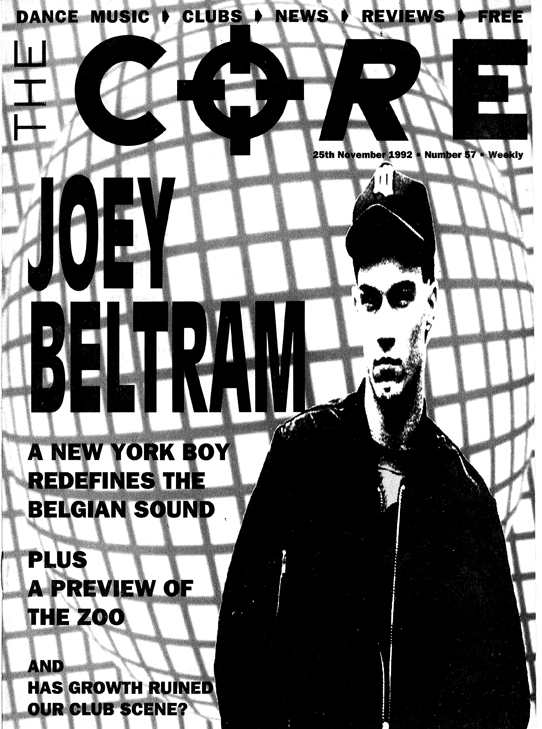
In the final week of November 1992, Adelaide’s dance music culture was at a vibrant and pivotal moment. The city was buzzing with the arrival of a major international artist from New York, the grand opening of ambitious new venues, and a fervent community debate about the very soul of a scene grappling with explosive growth. This was a period defined by the punishing kick of hardcore techno, the communal spirit of a festival for a cause, and the raw energy of a subculture blinking in the glare of the mainstream.
An International Headliner: Joey Beltram Arrives in Australia
The Significance of Beltram’s Visit
The arrival of Joey Beltram in Adelaide was a significant event, signaling the city’s integration into the global dance music circuit. A prominent DJ and producer from Queens, New York, Beltram was presented as a transformative figure, an artist known for “redefining the Belgian sound” and a key architect of the burgeoning techno and hardcore movements. His tour was a validation of the local scene’s passion and a direct link to the international pulse of electronic music.
The Artist and His Sound
At just 21 years old, Joey Beltram had already carved out a formidable reputation. He began his journey as a DJ in Queens and started producing his own tracks at the young age of sixteen. His musical palette was uniquely aggressive and diverse for a dance music producer, drawing from a wide range of intense and powerful genres.
His key influences included:
- Hard rock and metal: Citing legendary acts like Led Zeppelin and Black Sabbath.
- Industrial music: A genre known for its abrasive textures and mechanical rhythms.
- Early hardcore techno: The fast, driving sound emerging from Europe.
This fusion resulted in what Beltram himself described as “some really hardcore stuff,” a sound that deliberately stood apart from the more traditional forms of house music. His eclectic tastes hinted at a desire to constantly push boundaries, as captured in his statement: “I like to dabble in everything. I’d like to also do some heavy metal.”
Musical Evolution and Production
Beltram’s career trajectory was closely linked to the iconic Belgian label R&S Records, which released some of the era’s most innovative dance music. His early tracks, including the seminal “Energy Flash” and “Mentasm,” became global anthems that helped shape the sound of techno.
By late 1992, he was continuing to evolve. He had recently finished a collaboration with Mundo Muzique on the Second Phase project and was working on his Keep The Faith EP. Looking ahead, Beltram expressed a clear intention to start his own record label. This move was driven by a desire for creative freedom, allowing him to release his more diverse and experimental productions without being constrained by the commercial demands of a purely techno-focused label.
Perspectives on the Music Scene
Beltram offered a bullish perspective on the state of dance music, directly contrasting with the views of some of its foundational figures. While he respected Detroit techno pioneers like Kevin Sauerson, he felt the current scene was “a thousand times better” than its origins, buoyed by new energy and innovation. He noted the burgeoning rave scene in the United States, particularly in California, but expressed a clear preference for touring in Europe, where he believed the culture was more established and appreciative.
Adelaide Appearances
For Adelaide’s dance music enthusiasts, there were two key opportunities to see the New York legend:
- Vision Dance Music Festival: Beltram was scheduled as a special guest DJ for a two-hour set on Friday, 27th November.
- In-store Appearance: He was also set to appear “in the flesh” at Central Station Records on Friday afternoon at 4pm, giving fans a chance to meet him up close.
His headline performance at the Vision festival placed him at the center of the week’s biggest event, further cementing the connection between Adelaide’s local talent and the global titans of the scene.
The Week’s Main Event: Vision Dance Music Festival
A Festival for a Cause
The Vision Dance Music Festival was positioned as more than just a party; it was a major gathering for the entire Adelaide dance community with a conscience. Scheduled for Friday, November 27th, 1992, the all-night event was a marathon of electronic music, with all proceeds dedicated to supporting the vital work of Amnesty International.
Event Details and Lineup
The festival promised a comprehensive and immersive experience, with details clearly laid out for attendees:
- Date: Friday, November 27th, 1992
- Time: 9pm to 7am
- Venue: At The Warehouse, 12-20 Adam St, Hindmarsh
- Special Feature: A unique invitation to “Bring your own rollerblades.”
Headlining the massive ten-hour event were three major acts, representing both international and local prestige: Shamen (World Tour), Joey Beltram (New York), and Adelaide’s own Bliss.
They were supported by a deep roster of Adelaide’s finest DJs, ensuring a continuous flow of music throughout the night: DJ 2120 & DJ Mr. MC, “X” Citement, Groove Terminator, HMC, Brendan H, Hugh Z, Hoops, and The System A.D.
Ticketing and Information
Tickets were available in advance for $25 plus a booking fee from outlets including Amnesty International stalls, Brashs, and Central Station Records. For those making a last-minute decision, the door price was set at $30. For more details and updates, a dedicated phone line was established: 0055 23338.
The scale of the Vision festival was a clear indicator of the scene’s health and ambition, yet this very growth was prompting a deeper conversation about its future direction.
The State of the Adelaide Scene: Growth, Commercialization, and Hype
A Scene at a Crossroads
As Adelaide’s dance scene swelled in popularity during 1992, it reached a critical juncture. The community began to ask pressing questions about its identity, integrity, and the impact of commercial forces. This debate was captured perfectly by the cover of The Core magazine, which bluntly asked: “Has growth ruined our club scene?”
From Underground to “Overground”
An analysis in “The State of Dance” article observed that “the underground has become the overground.” Nick Hellee of XI Records reflected on the “impossible two years” of fascination and explosive growth that had transformed the scene from a niche interest into a major cultural phenomenon.
This rapid expansion created a schism between two types of promoters. On one side were those driven purely by commercial profit. On the other were promoters who believed a “healthier scene” was about more than just money, focusing instead on atmosphere, musical quality, and community. The scene faced several challenges born from its success: local promoters “pinching ideas” directly from the UK, the looming involvement of major corporations, and the risk of events losing their raw, intimate energy. The opening of large, multi-level venues like The Zoo was a prime example of the scene’s changing scale, prompting fears of a future where a dance party might feel more like “a Memorial Drive-concert, not the Core.”
Deconstructing “The Hype”
A companion piece titled “The Hype” offered a cynical but insightful glossary for decoding the often-exaggerated language used to promote dance events. It suggested a healthy dose of skepticism was needed to see past the marketing spin.
| Hype Word/Phrase | Potential Meaning |
| A capacity event | There might be other people there. |
| A night of fulfillment | You might have a good time; we’ll make a lot of money. |
| A totally new rave environment | Sort of like the last one, but with a transformation and lots of new leaks… |
| Heavenly light rig | Very high ceiling and strong lighting. |
| Vinyl supreme | For a garlic bread and two cokes please. |
Voices from the Community
The magazine’s “Correspondence” pages provided a direct window into the audience’s perspective. The debate over a recent “Sundae Session” event was fierce, with one attendee lambasting it as a “pathetic production” while another wrote in to defend it. Another reader, writing under the name “Headhunters,” issued a passionate call for more intelligence and creativity, criticizing the “fake bull-ist elitist clubbers” who they felt were diluting the scene’s authenticity.
This passionate, often contentious, dialogue underscored a community deeply invested in its culture, navigating the complex path from a tight-knit underground to a broader, more commercialized future.
Club and Venue Guide: Late November & Early December 1992
What’s On in Adelaide
For dance music fans in Adelaide, the week offered a dizzying array of choices that perfectly reflected the scene’s central tension between grassroots passion and commercial expansion. From the grand openings of new superclubs to intimate weekly nights and charity fundraisers, this guide provides a snapshot of where the community was congregating in late November and early December 1992.
New Venue Openings
The Zoo
The grand opening of The Zoo was set for Thursday, November 26th. Located at 2120 Victoria Street, City, Off North Tce, the venue was described as a massive three-level space, featuring a pit, a main floor, and a lounge area. The opening night featured DJs HMC and Hugh-Z, with a strict “Photo ID essential” policy.
Accelerate
For those living north of the city, a new option was on the horizon. Accelerate was announced as “the newest dance club,” with its opening night scheduled for Thursday, December 3rd.
Weekly Club Listings
- Tuesdays:
Le Rox: Featuring DJ Adam.
- Wednesdays:
Upstairs at Luna: The “Funk Upstairs” night offered free beer and champagne from 10-11pm for a $2 tip to the bar. The DJ lineup included Nigel, Dr. Hugo, DJ X-citement, and Phud.
- Thursdays:
The Ark: The “Stimulators” night, with DJs Brendon, X-citement, Gizelle, ATB, and Glacia.The Club at Lennies (MCM Tonsley): “Rage Night” promised 3 DJs, cheap drinks all night, and free entry before 10pm.Synagogue Place: Hosting “The Lyrical Joose.”
- Fridays:
The Ark Reborn: The lineup featured Dr A.T.B, Dr System AD, Dr X-Citement, Brendon, and MC Rhym D. Entry was free before 10pm, with $2 Tequila specials from 2-3am.The Club at Lennies (MCM Tonsley): “Dollar 2 Dance” night featured $1.50 admission until midnight and 4 DJs, including DJ X-citement.The Ankara Hotel: “Fridays Alliance” brought a mix of well-known and resident DJs.
- Saturdays:
The Ark: The “Saturday 28th” event featured DJs Tom-E, Heart, Chill D, and Peter E.Le Rox: The “Main Room” hosted DJs LeFev, Madcap, and special guest DJ 2120.
- Sundays:
The Ark: “Sunday 29th” featured DJs Boo-Boo, John, and Kymba.Homestyle at Chill Out Cafe: A new Sunday session launching on December 6th with DJs G.T.B, H.S.R, Nigel, and X-Citement.
Special Events
- World Aids Day Dance Party: Taking place on Tuesday, December 1st, at the Lion Theatre and Bar. DJs Ph.D and Nigel were scheduled, with the $5 entry fee going to the Positive Living Centre.
- The Impossible Dream: A massive event planned for Friday, December 4th, at the Magic Mountain Complex in Glenelg. Promising 4 theme levels, an amusement complex with over 100 video games, and a DJ lineup including Brendon, Arkabai, Ampax, E.Zee-G, Gravity, and Code.
- Bon Voyage 2120: A farewell party for DJ 2120, featuring Groove Terminator, X-Citement, and Nigel in the Main Room, while Madcap & Nigel handled the “finger lickin’ good live beats” in the Sound Lounge.
Global Music News and Artist Spotlights
The International Context
Adelaide’s scene did not exist in a vacuum. It was deeply connected to and influenced by the global currents of electronic music, with news from the UK, Europe, and America shaping local tastes and trends, as reflected in profiles of international artists and industry news.
Eon: Paranoid Techno from London
Ian Loveday, known professionally as Eon, was a London-based producer making waves with his unique sound. His track “Inner Mind” had gained exposure by being featured in the film Buffy The Vampire Slayer. Loveday’s electronic influences were rooted in the pioneering work of figures like Ron Grainer (composer of the Dr. Who theme) and progressive rock acts Pink Floyd and King Crimson. His resulting musical style was dubbed “Paranoid Techno,” a dark and intense sound captured on his debut album, Void Dweller. He was known for his heavy use of sampling and a preference for analog equipment over modern digital tools.
Dance Music’s Growth in the UK Charts
According to the influential industry magazine Music Week, dance music was experiencing a phenomenal surge in mainstream popularity in the UK. In 1992, an incredible 40.7% of all new singles entering the official UK Top 75 chart were classified as dance tracks—a massive increase from just five years prior. Stu Lambert, a commentator cited in the article, noted, “These days dance music is seen as a viable source of well-catalogued and new acts.” This commercial breakthrough was exemplified by the success of artists like The Shamen, Soul II Soul, C+C Music Factory, Co Co, and Rozalla, who were crossing over from clubs to radio and chart domination.
Other Global Notes
- INXS: The Australian rock giants were releasing their new single “Taste It,” from the album Welcome to Wherever You Are.
- Mayday 3: A major German rave event was scheduled for December 12th, with organizers teasing that a “secret” Australian DJ was being flown over to perform.
These international developments provided the backdrop for the sounds that were defining Adelaide’s dancefloors.
The Sound of the Scene: Charts, Releases, and Reviews
The Records Driving the Dancefloor
Ultimately, the heart of the dance music scene was the music itself. The record charts, new release shelves, and critical reviews from this week in November 1992 provide a direct sonic snapshot of what was being played, sold, and celebrated in Adelaide.
Central Station Record Charts
The “Ton Tuff Tones To Dance To” chart from Central Station Records, a key retailer and hub for the scene, highlights the tracks dominating DJ sets:
- Voyager – Trip To The Moon
- Mike Dearboarn – Intent Misc
- The Prodigy – Out Of Space
- Interceptor – Primal Flight
- Holographic EP
- NUKE – Underworld
- Fiction vs Fonkes – Feeling
- Superreal – One Nation
- Gypsy – I Trance You
- Outrage – That Piano Track
New and Available Music
The new release racks were filled with fresh imports and local favorites.
This Week’s Hot Releases:
- Ghetto Bros – Bass Manuevers
- Food 4 Woofers – Elevators
- Moby – Next Is The E
- Arrested Development – Revolution
- N’ghtmares On Wax – Happiness
- Heaven 17 – Temptation
- The Prodigy – Out Of Space
- Paul Parker – Wicked Game
- Disco Elements – Volume 2
- 50% – Obsession
- Toxic – Simple Warrin’
- Oxy – Rock To Beat
Acid Jazz Available Now:
A parallel scene was also thriving, with a deep catalog of Acid Jazz compilations and albums available:
- Totally Wired 1.9
- Acid Jazz Mo Jazz
- Deja Vu
- Luv’n Haight
- Mother Earth
- Acid Love
- Classic Jazz Funk
- Night Trains
- Brit Funk
- Hazardous Dub
- Jazzmister
- Rebirth Of Cool 1 & 2
- Dorado
Record Reviews
Brief but pointed reviews gave DJs and fans a guide to the latest vinyl. The prevalence of punishing European imports showed how the hard-edged sound of international guests like Joey Beltram was being echoed on local turntables.
- Hardsequencer – Noise is the message: A positive reception for this Frankfurt import, described as having “4 cuts, all good in their different ways, with it all being really good.”
- Space Cube – Kool Killer Vol 2: This release was tagged as “German hard-ass stuff with breakbeats,” praised for its “nice patterns.”
- Leftfield – Difference: Noted as a significant sonic departure from the artist’s previous work.
- The Shamen – Boss Drum: A positive review, stating, “Their last LP flopped last year, YBT have obviously grown up rhyme wise and production wise too.”
- Nuke – Underworld EP: A simple, informative review noting it contained “Four tracks on this Euro-techno EP.”
Leave a Reply