
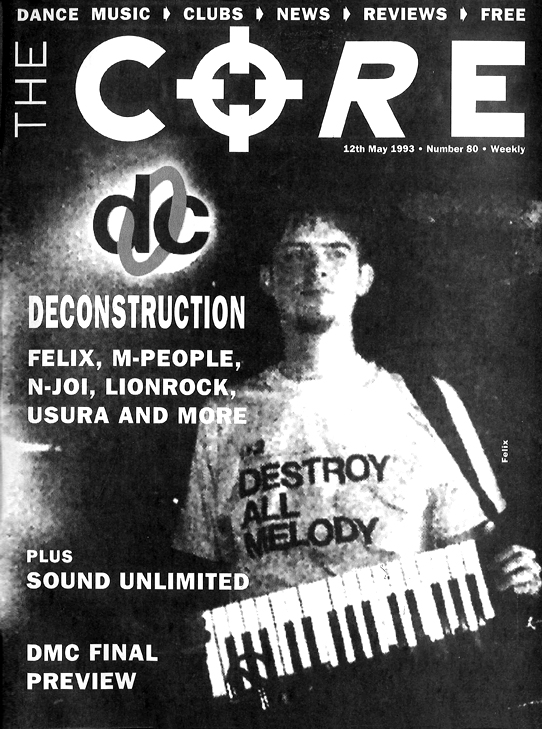
In the second week of May 1993, Adelaide’s dance music scene was a dynamic ecosystem of fierce competition, international influence, and vibrant local creativity. As captured in issue number 80 of The Core magazine, the city was a hub for dedicated DJs, influential record labels, and a passionate clubbing community. This document archives the key events, artists, and venues that defined the sound and culture of Adelaide at that moment.
The 1993 DMC Championship Grand Final
The annual DMC Championship stood as the premier battleground for Adelaide’s DJs, an event where technical skill, musical selection, and stage presence were put to the ultimate test. The 1993 Grand Final was charged with a competitive atmosphere, as the city’s top turntablists prepared to face off for the coveted South Australian title and a chance to compete on the world stage.
The championship was a major fixture on the city’s cultural calendar, with the final showdown set for Thursday, 13th May, at The Ark. The competition was scheduled to begin at 11:30 pm, with an entry fee of $7 before 10 pm and $8 after, encouraging attendees to arrive early and support the local talent.
The lineup of finalists represented a cross-section of Adelaide’s hip hop and DJ scene, featuring both established crews and a lone solo competitor:
- Analog Love Quest (Code One with PMA + Cool Matt)
- Finger Lickin’ Allstars
- Home Grown (Angu$ + Brendon + MC Dee)
- Underdogs (G*T, HSR, and Pedro)
- Hob G (solo)
The competitors approached the final with distinct philosophies and pressures. The Finger Lickin’ Allstars declared their set would be “real b-boy hip hop,” emphasizing authenticity. Madcap of the group PMA (competing with Analog Love Quest) highlighted the importance of the crowd’s energy, stating, “The crowd attitude has to be great. If it is, then we’ll have a great time.” Analog Love Quest were confident in their creative evolution, noting, “We’re doing a whole new choice, something that’s different from the last set.” Home Grown offered a critical perspective on the new DMC rules, describing them as “more complex and technically difficult. It’s basically busted.” The Underdogs’ HSR spoke to the challenge of team coordination, admitting, “You don’t realize how hard it is to work with three people.” Meanwhile, reigning SA champion Hob G faced the unique challenge of being the only solo DJ in a field dominated by teams, a position demanding exceptional individual skill.
The stakes were incredibly high. The winner would not only be crowned the South Australian champion but would also receive $500 in cash and a prestigious DMC leather jacket, with other prizes awarded for 2nd and 3rd place. The ultimate prize for the winner was the opportunity to represent Australia in the World DMC Final in the UK. While these DJ battles were a focal point of local talent, the scene was also heavily shaped by the music coming from key international record labels.
Label Spotlight: Deconstruction Records
At the time, few UK dance labels were as successful or influential as Deconstruction Records. The label had made a significant impact on the global music landscape, a fact underscored by the remarkable statistic that 65.7% of its releases had entered the UK’s top-40 music chart. This success was driven by a simple but effective philosophy articulated by founder Keith Blackhurst: “We only release music that we all like.” The label’s roster featured a diverse array of artists who were defining the sound of early ’90s dance music.
M-People
This group was centered around the legendary DJ Mike Pickering of Manchester’s Haçienda nightclub, joined by vocalist Heather Small and musician Paul Heard. Their sound drew from a rich palette of influences including salsa, Northern Soul, and Philly go go, creating a unique brand of soulful, groovy dance music. Their single “How Can I Love You More?” was a notable success, showcasing their ability to produce classic, danceable tracks.
Felix
Known for the monumental hit single “Don’t You Want Me?”, which sold over two million copies, Felix was an artist shrouded in mystery. Despite his massive success, he was reluctant to give interviews. Label founder Keith Blackhurst noted that the artist was developing a unique stage presence, building himself into a “controlling icon costume” that added to his enigmatic persona.
Lionrock
Lionrock was the musical project of Justin Robertson, a respected DJ who had founded the influential club Most Excellent. His work with Lionrock was captured on the album An Instinct for Detection, reflecting a deep understanding of dance floor dynamics and a creative approach to production.
N-Joi
Comprised of Nigel Champion, Mark Franklin, and vocalist Saffron, N-Joi was celebrated as a top live act emerging from the “old school of UK rave.” After a long absence from the scene, the group was poised to make a comeback with a new record, much to the anticipation of their established fanbase.
Usura
Hailing from Italy, Usura was comprised of vocalist Elisa Spreafichi and her cohorts, producers Claudio “Buba” Vandalis, Walter Cremonini, and Alessandro Gilardi. The group had achieved international recognition with their powerful single “Open Your Mind,” a track that had become a staple in clubs worldwide.
The label’s impact was celebrated in the compilation album, A Life In The Year Of Deconstruction, which collected the defining tracks from its impressive catalogue. This international influence was complemented by a strong and evolving local artist scene.
Artist Profile: Sound Unlimited
Beyond the international labels dominating the charts, local acts like Sound Unlimited formed the backbone of Adelaide’s hip hop culture. In an interview with Rosano Martinez, the group’s deep roots in the scene were evident. Their story began not with music, but with movement. They started as a breakdancing crew called “The B-Boy Team” and gained invaluable experience touring with the legendary Rock Steady Crew. Their passion for hip hop culture was all-encompassing, extending to a love for graffiti art.
Musically, the group was in a period of evolution. Rosano explained their conscious shift away from a more traditional, American-influenced hip hop style. He described their new sound as a “more natural” flow, one that felt more authentic to their own experiences. This new direction was about finding their own voice rather than emulating others, a sign of a maturing and confident local scene.
For those eager to hear this new sound, Sound Unlimited had two upcoming performances scheduled for Friday, 14th May and Saturday, 15th May at the Colonel Light Hotel. The presence of such dedicated local artists was a key ingredient in a scene also characterized by major, one-off parties and community events.
Major Upcoming Events
Adelaide’s social calendar for May was packed with a variety of large-scale events, demonstrating the community’s engagement with both celebratory nightlife and important social causes.
Release: A 10-Hour Experience for Amnesty International
Scheduled for Saturday, 29th May, this ambitious 10-hour event was a fundraising celebration for Amnesty International’s 31st birthday. The party was designed to be a massive, multi-sensory experience, featuring live performances from Bliss and Finger Lickin’ Good. The DJ lineup was a who’s who of the local scene, including Groove Terminator, HMC, Brendon, Uzi, Nigel, MPK, and PMA. Held at The Vision Warehouse, the event promised unique attractions such as a laser with fibre-optics and a dedicated “chillout” area where attendees could relax.
Pride Dance Party
Set for Saturday, 15th May at the Adelaide Uni Bar, this event held special significance for the community. The party was organized to commemorate the 21st anniversary of Dr George Duncan, a pivotal moment in South Australian history. The soundtrack for the evening was provided by DJs Brendon, MPK, and E-Zee-G. Tickets were priced accessibly at $6 for students/concession and $8 for full admission, ensuring a broad and inclusive turnout.
While these special events were highlights, the city’s nightlife was sustained by the regular, weekly rhythm of its diverse club scene.
A Guide to Adelaide’s Club Scene: May 1993
The extensive club listings in The Core provide a detailed map of the city’s nightlife, showcasing the key venues, resident DJs, and unique nights that formed the foundation of the dance music community.
The Dance Ark Club
The Ark was a central pillar of the scene, offering consistent weekend entertainment. Friday nights featured DJs ATB, Brendon, & Uzi, while Saturday nights were driven by promotions and drink specials like $1 beer and champagne, making it a popular and affordable destination for club-goers.
Proscenium, Heaven, and The Le Rox
A trio of venues offered distinct experiences. On Sundays, Proscenium hosted the “Divine” night with special guest Ferris MC. The Le Rox was launching a new night called “Gateway” on Friday, May 14th. Meanwhile, Heaven catered to the mid-week crowd with its “Rage ‘n’ Rave” night every Thursday, featuring DJs Pee Wee & John Ferriss.
A Return to Metro’s
In a significant development for the city’s clubbing history, it was announced that the Colonel Light Hotel would be re-launched as Metro’s. This move marked the revival of a respected and well-remembered name in Adelaide’s nightlife, with plans to re-open its doors in four weeks’ time. The new club promised a fresh approach that honored its past.
Weekly Residencies
Numerous other recurring nights kept the scene alive throughout the week, each catering to specific tastes:
- Discovery: Every Wednesday night at 69 Light Square.
- Jump!: Held every Wednesday at Toons (the former Tembo), this night featured DJs OHC & Nigel playing House and Hard House, with a “FREE SCHOONERS 9-10” promotion.
- Krush Klub: Every Sunday at Margaux’s in the Adelaide Hilton, this club offered a dedicated space for fans of Soul, Funk, and R&B.
- Hell: Taking over The Grenfell Tunnel on Thursdays, this night featured DJs Nigel, Anthony, and Chico.
This vibrant network of clubs and parties was where people gathered, but the scene was also defined by the music and news they consumed.
Music News, Releases, and Reviews
The broader musical context of May 1993 was shaped by international trends, industry news, and the critical reception of new music, all of which filtered down to the Adelaide dance floors.
Global Music News
The international scene was buzzing with activity, with several key stories capturing the attention of music fans:
- The acclaimed producer Rollo was remixing the Pet Shop Boys’ new single, “Can You Forgive Her?”.
- In a more eclectic release, The Celtic Kings of Rock were re-issuing their track “Long Way To Go,” which notably featured bagpipe samples.
- Acclaimed house DJ and producer Dave Morales was set to release his debut solo album, titled The Program.
- There was industry speculation about a potential revival of the Hip House genre.
The Hip Hop Scene
Hip hop was in a period of intense public debate. The ongoing controversy around censorship continued, with artists like the Geto Boys and Ice-T at the center of the discussion. On the creative front, new artists like Red Hot Lover Tone were emerging, while established acts like A Tribe Called Quest had highly anticipated albums on the way.
Record and Performance Reviews
The reviews section offered a critical lens on recent releases and local shows. Notable records under review included Run-DMC’s comeback single “Down With The King” and the soundtrack for the film Teenage Mutant Ninja Turtles III. Local live reviews provided candid feedback, with a particularly critical assessment of Arrested Development’s performance at The Ark and a lukewarm reception for the Underground Solution night at the Synagogue club.
Beyond the official reviews from critics, the magazine also gave space to the unfiltered opinions of the club-goers themselves.
Voices from the Scene: Community Correspondence
The letters to the editor published in the “Correspondence” section offer a direct and invaluable glimpse into the concerns, debates, and passions animating the Adelaide clubbing community. The letters touched on several key issues, revealing a scene that was actively engaged in self-reflection.
A significant debate revolved around racism in hip hop, sparked by a letter referencing the actions of Marky Mark in Vietnam and questioning his place in the genre. On a more local level, there were clear concerns about behavior within the clubs themselves, with readers lodging complaints about excessive drunkenness and violence that threatened the positive atmosphere. Even the DJs were not immune to criticism, with one letter calling out poor etiquette, such as abruptly stopping the music and disrupting the flow of the night.
This community dialogue was a vital part of the culture, which, as the magazine demonstrated, extended beyond just the music.
Beyond the Turntables: Film in Focus
The Core’s cultural coverage was not limited to the dance floor. The “Reel Time” section provided film reviews, showing that the interests of its readership extended to other forms of entertainment. The films reviewed in this issue were:
- Mad Bomber in Love (95%)
- Gas Food Lodging (80%)
- French Vampire in America (70%)
- Sniper (59%)
Notably, the highest rating was awarded to Mad Bomber in Love, a film that was shot locally in Adelaide. This celebration of homegrown cinematic talent mirrored the magazine’s dedicated support for the city’s local music artists, reinforcing its role as a comprehensive archive of Adelaide’s creative culture in 1993.
This snapshot from May 1993 reveals an Adelaide scene defined by a fascinating interplay between local ambition and global trends. The intense competition of the DMC finals coexisted with a community spirit that rallied for social causes, while a diverse network of clubs provided the nightly pulse for a culture in constant conversation with itself. Ultimately, The Core magazine captured a moment of dynamic creativity, preserving a detailed record of a city’s vibrant cultural life.
Leave a Reply