
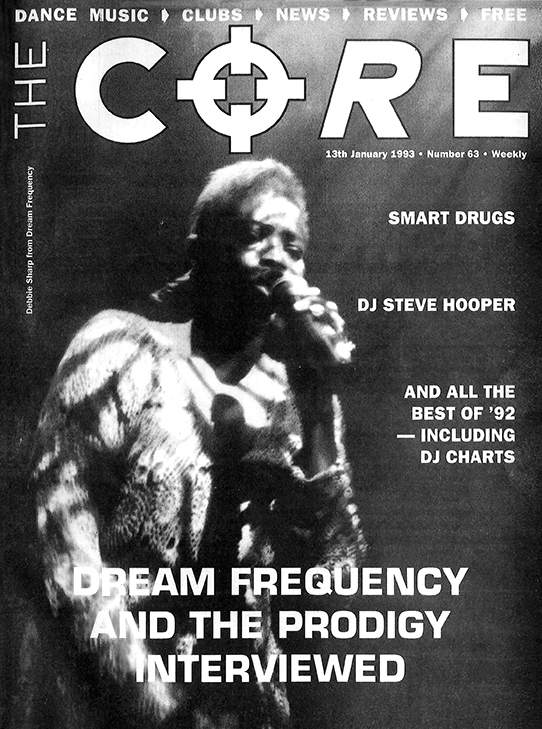
In the heart of the Australian summer, Adelaide’s electronic music scene in January 1993 was a crucible of energy, sound, and culture. The city played host to a landmark tour by UK rave titans The Prodigy and Dream Frequency, while local promoters pushed boundaries with audacious events in unique venues like the Old Adelaide Gaol. This vibrant landscape of massive raves and intimate club nights was further colored by emerging cultural trends, including the controversial rise of “smart drugs,” defining a scene at the peak of its creative power.
UK Rave Invasion: The Prodigy and Dream Frequency Tour Australia
The arrival of influential UK rave acts The Prodigy and Dream Frequency for a joint Australian tour marked a significant moment for the burgeoning local scene. For Adelaide’s dedicated ravers, this was more than just another international tour; it was a validation of their passion and a direct connection to the epicenter of the global rave movement. A major feature interview with both bands captured their perspectives during this pivotal first experience Down Under, offering a unique snapshot of the cultural exchange taking place on the dancefloor.
The Tour’s Impact and Reception
Both bands shared a sense of astonishment at the reception they received, particularly in Adelaide. The tour, brought to Australia by promoters Paul Dakenfold and Sasha, was a resounding success, exposing the artists to an unexpectedly fervent fan base. The experience was a powerful affirmation of UK rave culture’s global reach, with the Australian crowds demonstrating an enthusiasm that matched, and at times exceeded, what the bands were accustomed to back home.
Dream Frequency’s Perspective
For Ian Bland and Debbie Sharp of Dream Frequency, the Adelaide leg of the tour was a clear highlight. Bland was effusive in his praise for the local audience. “Adelaide was so good… I’d even say that was the best one, for crowd reaction. That was wild, that crowd,” he remarked, later adding, “Adelaide was brilliant because it was the most organized.”
The band’s performance philosophy was centered on delivering a genuine live experience, a stark contrast to the simple “Personal Appearance” (PA) sets common at the time. Bland explained their setup: “We leave a bit of stuff on the tape but all the key sounds and stuff, that’s all live… a lot of people just mime. Instead of coming on and doing the track exactly like the record, you’ve gotta give them a total live version.” This approach was anchored by the powerful live vocals of Debbie Sharp, whose presence was integral to their show.
Discussing their creative process, Bland revealed a key detail about their hit track “Feel So Real.” The song’s distinctive high-pitched vocal was the result of studio experimentation. “At the time the whole format was speeding up English vocals, so I speeded the sample up,” he explained. Reflecting on their journey, Bland, a DJ for a decade, embraced their new status as an “international act,” seeing the tour as a reward for years of dedication.
The Prodigy’s Perspective
The Prodigy, on their first visit to Australia, were equally impressed. Liam Howlett, the group’s musical mastermind, noted the vibrancy of the local scene. “It’s the first time we’ve been, it’s really good,” he said. “The rave scene seems to have been going over here for about a year and it’s brilliant… the first time it’s like, ‘Yeah! This is rock n’ roll, it’s ok, it’s not a joke, it’s a bit hard.”
Howlett was firm in his musical philosophy, emphasizing the importance of diversity in their DJ sets. He criticized DJs who play a monotonous set, explaining their different approach: “We’ll be playing a lot of our own stuff but not just Prodigy stuff. We’ll be playing some progressive house. D.J.s, we’ve seen doing our set and we’re giving them something totally different to what they’ve been listening to all night.” This commitment extended to their live show, which was a high-energy spectacle designed to move beyond a typical studio-act performance. The frantic energy of dancer Keith Flint and the presence of a live MC were crucial elements. “We actually said we wanted an M.C. I sent him a tape of the time we had him with us, and we liked what he did… It was good in Hackney (the gig), it was in a real rough pub,” Howlett recalled.
Despite the massive success of their single “Outta Space,” The Prodigy were fiercely protective of their underground credibility. Howlett was adamant about avoiding the pitfalls of commercialism. “We don’t want to do Top of The Pops and Smash Hits. I don’t want to become a pop star,” he insisted. “If we acted like pop stars we’d disilusion people. We’re at the forefront of the new pop but we’re not pop stars. Kylie is a pop star. We’re not pop stars… we’re actors. It’s so daft, stupid.”
The energy these international headliners brought to Australia was amplified by the ambitious local events they were featured in.
Adelaide’s Event Landscape: Raves, Clubs, and Parties
A thriving music scene is built on a foundation of consistent, diverse, and exciting events. By mid-January 1993, Adelaide’s calendar was packed, offering something for every electronic music enthusiast. From an audacious, large-scale rave in a historic prison to a packed schedule of weekly club nights, the city’s promoters and venues provided the crucial infrastructure for the culture to flourish.
Feature Event: Inquest at the Old Adelaide Gaol
On Saturday, 16th January, Rave Adelaide presented “Inquest,” an event that captured the scene’s ambitious and creative spirit by transforming one of the city’s most formidable historic sites into a multi-stage party zone.
- The Venue: The choice of the Old Adelaide Gaol was a masterstroke in thematic programming. Built in 1841 and only decommissioned in 1988, its grim history—including the fact that 45 inmates had been hanged within its confines—and imposing 10-metre high walls provided a tangible sense of transgression that amplified the hardcore music within.
- Event Structure: “Inquest” was structured across three distinct areas, each with its own musical focus:
- The Gaol: The main prison building served as the primary party space.
- The Exercise Yard: A large marquee was erected here, creating a classic rave environment within the prison walls.
- The Dark Block: Reserved for the hardest sounds, this area was dedicated to a relentless hardcore assault.
- DJ Lineup and Commentary: The event boasted an impressive lineup of local and interstate talent, strategically placed to match the venue’s different zones.
- In the Marquee: The rave team featured Groove Terminator, Brendon, MPK, and The System AD.
- In the Dark Block: The hardcore DJs scheduled to “assault your ears” were Richie Rich (from Melbourne), Hugh-Z, G.T.B., playr, Maestro D, and Angy. The DJs themselves were energized by the concept. DJ Paul remarked on the scale: “It’s not just a dance party. It’s a huge event.” Josh & Ben highlighted the creative vision: “We’re not big businessmen; we’re trying to give people value for money and an experience they will not forget.” DJ Brodon captured the excitement of the unique location: “It’s something new, the scene is getting a bit predictable. Actually, it’s fuckin’ wild, it’s never been done before.”
- Tickets and Logistics: Entry was strictly by pre-purchased ticket only, available for $18 from Central Station and Austickets. Doors opened at 9:30 pm.
Other Major Upcoming Events
Beyond the Gaol, the month was filled with other significant parties:
- Farewell to Adam the System Ad: A send-off for one of the city’s top DJs on Friday, 15th January at the Dance Tr’k Club, featuring DJs ATB, Brendon, X-citement, Hugh-Z, and MC Rhyme D.
- Rage N Rave: An all-night affair at Heaven (7 West Terrace), with sonic tunes supplied by Groove Terminator, James Ingram, and Steve Hooper.
- Pulse at the Ark: A showcase presented by Urban Streetwear on Wednesday, 20th January at the Arkaba Hotel (150 Glen Osmond Road, Fullarton). The lineup included Groove Terminator, E-Zee G, Gravity, and P.M.A.
- 21st Century A.D. – The Warehouse Party: RAW Productions announced this upcoming warehouse party for Sunday, 31st January.
- “Liquid” Video Preview: Le Rox hosted a special Saturday night featuring the official video preview for “Liquid,” starring Dream Frequency and a DJ “Tag Team” of G.T.B., Anthony H.S.R., X-citement, and Nigel Uzi (aka Garry Hughes) PhD.
Weekly Club Nights and Residencies
The backbone of the scene was its regular club nights, providing a consistent pulse of music throughout the week.
- Heaven (7 West Terrace):
- Thursdays: X-perience with DJs James Ingram and Steve Hooper.
- All-Nighter: Rage N Rave with Groove Terminator, James Ingram, and Steve Hooper.
- The Astor Hotel (437 Pulteney Street):
- Tuesdays (from Jan 19th): Adelaide’s first Smart Bar.
- Fridays: Funky Austral Fridays with DJs Cool Mint and NT.
- The Zoo (Victoria Street):
- Thursdays: Special guest Richie Rich alongside residents Hugh-Z, HMC, and Nigel.
- Cargo (213 Hindley Street):
- Tuesdays/Wednesdays: “coolbarhotjazz”.
- Thursdays: “rebirth of the cool”.
- Fridays: “THRUST with MADCAP”.
- Saturdays: “JUICE!” with funk from Sydney.
- MCM (1274 South Road, Clovelly Park):
- Thursdays: ‘Rage Night’.
- Fridays: ‘Dollar 2 Dance’.
- Saturdays: ‘Party Hard’.
- City Mission Hall:
- Wednesdays/Saturdays: Fever with Groove Terminator, H.M.C.
- Thursdays: Inferno with DJ Deluxe, Major Move.
- Fridays: Thank God It’s Friday with Major Move, Angelo.
- Sundays: Get Down – Boogie Wonderland with Groove Terminator.
This bustling event schedule was a reflection of the broader cultural currents influencing Adelaide’s youth.
Cultural Currents: DJs, Drugs, and Debates
Beyond the music and events, Adelaide’s rave scene was a microcosm of wider cultural shifts and debates. Profiles of key local figures offered a glimpse into the personalities shaping the sound of the city, while feature articles explored new, and often controversial, phenomena like the rise of “smart drugs,” revealing the community’s interests and anxieties.
The “Smart Drugs” Phenomenon
The emergence of “smart drugs” and the city’s first “smart bar” reflected a broader, techno-utopian curiosity within the rave scene—a search for heightened experience that moved beyond simple hedonism toward cognitive enhancement. A feature article, “Treading the New Edge,” documented this “Smart Revolution,” defining the new substances as pharmaceuticals that promised improved memory, faster learning, and enhanced senses, all without the hangovers or legal risks of illicit drugs.
The ingredients were listed as a cocktail of vitamins (B1, B5, B6, B12, C, E), herbal extracts, and amino acids. However, the article also sounded a note of caution, pointing out the lack of long-term studies and the potential for side effects such as constipation, nausea, and vomiting. This trend was set to materialize with the opening of Adelaide’s first ‘smart bar’ at The Astor Hotel on Tuesday, 19th January, from 5 pm onwards.
DJ Profile: Steve Hooper
A profile on local DJ Steve Hooper provided insight into the mindset of a scene veteran. With 16 years of experience behind the decks, Hooper had carved out a distinct identity. His musical preference was for 70s music, boogie, and the vibe of glitter balls, reflecting a deep appreciation for the roots of dance music. He expressed a strong aversion to what he termed “normal” or “boring” lifestyles, a sentiment that likely resonated with many in the rave community.
Hooper also held strong, unfiltered opinions, particularly regarding international talent. “These guys make out to be God’s gift to women,” he stated, referring to visiting DJs. “I find them really arrogant… these guys are ridiculous, ‘I gotta be number one on the lists hey.’”
Looking to the future, Hooper aimed to incorporate more vocals into his music, continuing to evolve his sound. At the time, he held down residencies at Heaven on Thursdays, Fridays, and Saturdays, making him a central figure in Adelaide’s club scene.
These personalities and cultural debates were ultimately in service of the music, which remained the core of the scene.
The Sound of ’92 and Beyond: Charts, News, and Reviews
A music scene is ultimately defined by its sound. The charts, news reports, and record reviews from early 1993 provide a clear picture of the tracks that animated Adelaide’s dancefloors in the preceding year and offered a glimpse into the sounds that would shape the future.
The Best of 1992: A Year in Review
A comprehensive “Best of ’92” feature, based on public votes, codified the year’s most influential players, places, and events.
- Top 5 DJs
- The System AD
- HMC
- Groove Terminator
- Hugh-Z
- 2120
The results underscored the significance of the moment, as the scene was bidding farewell to its newly crowned #1 DJ, The System AD, at the very peak of his local popularity.
- Top 5 Clubs
- Le Rox
- The Zoo
- Control
- Metro
- The Star Club
- Top 5 Parties/Raves
- Fascination
- Origin
- Kinetic Energy
- Vision
- Go!
- Top 5 International Acts
- Underground Resistance
- Sasha
- DJ 2120
- Joey Beltram
- Grooverider
- Top 5 Let-downs
- UR-Method of Force
- Sin
- Illusion
- The Awakening
- Vision
- Top 5 Club/Rave Toilettes
- Fascination
- The Star Club
- Le Rox
- Vision
- Go!
Alongside the public vote, the DJ’s Choice section showcased the personal favorites of the city’s top selectors. DJs including Groove Terminator, HMC, Brendon, and Nigel DT submitted their top tracks of 1992. These lists revealed the scene’s diverse sonic palette and its deep connection to multiple global epicenters. The prevalence of both UK hardcore breakbeat—including The Prodigy’s own anthems—and the tough, uncompromising techno of US acts like Underground Resistance demonstrated that Adelaide’s dancefloors were fueled by an eclectic and well-informed range of tastes.
Global and Local Music News
International Headlines
- Bizarre Inc: The Stafford-based trio, formed in 1989, were riding high on the success of their hit “I’m Gonna Get You.” The group, consisting of Andy Meecham, Dean Meredith, and vocalist Angie Brown, were set to release their new single, “Took My Love.”
- Snap U.K. Sales: The UK dance charts were dominated by rave and house anthems. The top 10 was as follows:
- Shades of Rhythm – Sweet Sensation
- Felix – Don’t You Want Me
- SL2 – On A Ragga Tip
- The Prodigy – Everybody In The Place
- Bizarre Inc – I’m Gonna Get You
- Bizarre Inc – Playing With Knives
- Smart E’s – Sesame’s Treet
- The Prodigy – Charly
- The Shamen – Ebeneezer Goode
- Urban Hype – A Trip To Trumpton
- Rappers Livin’ Large: The influence of hip-hop continued, with Ice T and Ice Cube acting in films, while Busta Rhymes and Q-Tip made cameos. Spike Lee’s epic film Malcolm X was also noted for its cultural impact.
Local Releases and Imports
On the home front, BMG was preparing to release the Mega Mix single. More significantly, an Adelaide DJ compilation was in the works, set to feature tracks from the city’s leading DJs, promising a definitive snapshot of the local sound. The import scene remained crucial, with new tracks from acts like E-Zee Possee, Labello, and Rebel MC keeping the turntables fresh.
Record Reviews
The reviews section offered a quick take on the latest vinyl hitting the shelves. Releases from Equinox (“Pullovers”), Gangsta Trax (“Vol 1”), Temperance (“Five Styles”), Sight Beyond Sound (“439”), Never On Sunday (“Day By Day”), DJ’s For Rapes (“GT’s Hopes For ’93”), Menen (“Cherry Love”), Definition of Sound, West End Girls, and Mike Davis (“Ain’t No Stopping Us Now”) were all assessed, providing a critical guide for DJs and fans seeking the next big sound.
——————————————————————————–
In sum, January 1993 captured the Adelaide rave scene at a vital crossroads. It was a moment defined by the dynamic interplay of global influence, epitomized by the validation from UK titans like The Prodigy, and fierce local ambition, showcased by the audacious “Inquest” rave. As the community celebrated its heroes of 1992 while simultaneously embracing new cultural frontiers like smart drugs, the city’s clubs and warehouses pulsed with a confident, forward-looking energy, solidifying its place as a crucial outpost in the international dance music landscape.
Leave a Reply