
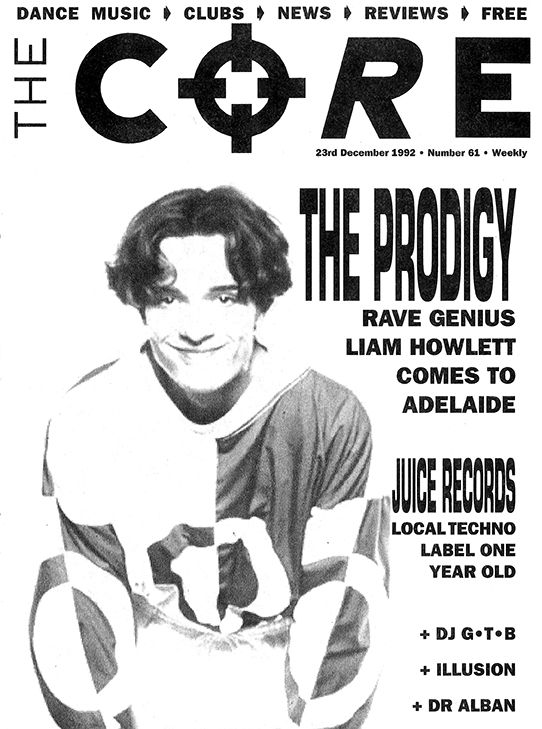
The holiday season of 1992 saw Adelaide’s dance scene reach a fever pitch, ignited by the seismic arrival of international headliners, a fiercely independent local club culture, and a series of pivotal events that would define the year’s end. This document captures a snapshot of that vibrant moment, a city pulsating with the sounds of a global youth movement.
——————————————————————————–
The Prodigy’s Adelaide Experience
The arrival of UK electronic act The Prodigy was a landmark event, cementing Adelaide’s connection to the global rave phenomenon. Dubbed “Rave Genius” on the cover of local music weekly The Core, the band’s tour represented a critical injection of international influence. They brought with them a breakneck fusion of hardcore breaks and rave stabs that was redefining the UK sound and set to leave an indelible mark on the South Australian scene.
The “X-perience” Event
The centerpiece of their visit was the highly anticipated “The Prodigy X-perience,” scheduled for Wednesday, December 30th. This all-night affair promised an unparalleled lineup of international and local talent.
- Headliner: The Prodigy (performing live)
- International DJs: Frankie Knuckles, Sasha, Graeme Park
- Local Support: Pee Wee Ferris, GT, HMC, and MC Scott T
- Venue: 7 West Tce, Adelaide
- Time: 8:00 PM until DAWN
- Tickets: $20, available from CC Records, Central Station, or Newmarket Hotel
In Conversation with Liam Howlett
In an interview surrounding the tour, The Prodigy’s creative force, Liam Howlett, offered insights into the band’s philosophy and rapid ascent. He positioned the group at a unique cultural crossroads, stating, “I think we’re on the borderline between underground and overground.”
Howlett recounted the band’s origins just a year and a half prior, beginning with the release of the “What Evil Lurks” EP. This was followed by a string of successful EPs—”Charly,” “Everybody in the Place,” and “Fire/Jericho”—that catapulted them into the public eye. His creative process is remarkably instinctual; he emphasized that he writes music for himself first, using different keyboards to translate his ideas, and candidly admitted, “I can’t play piano.”
Reflecting on the UK scene, Howlett expressed a dislike for the term “rave,” a sentiment common among first-wave artists resisting its co-option by the media. He observed that the scene had evolved, offering an early critique of a trend that would later define aspects of techno culture by lamenting that DJs were becoming too anonymous, playing the same obscure tracks without connecting to the crowd. His future ambitions included a desire to collaborate with artists Sophie and Blake.
Album Release and Reception
Coinciding with their tour, “The Prodigy Experience LP” was released locally by XL/Sony. A review described the album as a “well-produced and very mature piece of techno,” presented in a “slick futuristic style.” It was noted as being quintessentially “very Prodigy,” with the key advantage that all of the group’s hit singles were featured on the album, making it an essential collection.
The buzz generated by The Prodigy was part of a larger wave of international talent washing over the city’s shores, each artist contributing a different flavour to the evolving local soundscape.
International Spotlight: Dr. Alban and DJ G•T•B
While The Prodigy brought the raw energy of the UK underground, other international artists were diversifying the musical palette available to Adelaide club-goers and reinforcing the city’s place on the global music map.
The Rise of Dr. Alban
Dr. Alban’s story is one of dual passions. Born in Nigeria, he moved to Sweden to study dentistry, eventually opening his own clinic in Stockholm. Simultaneously, he built a reputation as a DJ, which led to a fateful meeting with producer Denniz Pop. This collaboration launched his music career, culminating in the release of his first album and the massive international success of the single “It’s My Life.”
His sound was a unique fusion of pop, rap, and dance music, creating what he called a “very European sound with an African in it.” This accessible blend resonated globally, making him a significant figure in the crossover dance-pop scene of the era.
Profile: DJ G•T•B
On the local front but with a growing reputation was DJ G•T•B, whose real name is George Damis. His DJ moniker, standing for “George The Boss,” originated from a name badge at a former job. While studying mechanical engineering at the University of South Australia, Darnis cultivated a distinct musical identity. His preference for classic music, Booty house, rave, and techno was sharpened by a pronounced dislike for what he termed “really groovy stuff,” such as the music of Gabrielle or Arrested Development.
His upcoming holiday schedule was packed, with gigs planned at:
- Jasmon at the Currie Street Tavern on Thursday, December 24th
- Liquid’s NYE Labyrinth at Le Rox on New Year’s Eve
These individuals, whether global pop stars or ascendant local selectors, were all part of a rich ecosystem sustained by Adelaide’s own pioneering labels and iconic venues.
The Pulse of Adelaide’s Local Scene
Beyond the visiting headliners, Adelaide’s dance music culture was fiercely self-sufficient, built upon the foundation of its own groundbreaking record labels, legendary clubs, and a dedicated roster of local artists.
Juice Records: A Milestone for Local Techno
Adelaide’s first techno label, Juice Records, celebrated its one-year anniversary. Started in January 1992 by five members and managed by Damien Donato, the label was driven by a philosophy of musical progression and the goal of establishing a unique “Adelaide sound.” As artist HMC stated, “it boils down to the fact that it’s techno music, and techno is about progression.” Their latest release was the “Rotation EP (Juice 005)” by HMC, and with distribution deals secured through Shock and World Domination, Juice Records was taking its vision to a national audience. The label was scheduled to be featured at Metro’s New Year’s Eve party.
The History of Metro
No discussion of Adelaide nightlife would be complete without mentioning Metro. Opened in 1987 and managed by Scott Thompson, the venue evolved from a multipurpose space into the city’s premier dance club. It was the site of the legendary Warehouse 1 and 2 parties, which helped define the early rave scene in Adelaide. After a temporary closure on July 11th, 1992, the club reopened, reaffirming its enduring importance to generations of the city’s club-goers.
Local Scene Developments
The scene remained dynamic, with artists evolving and moving between projects. It was announced that the Adelaide techno act Eugenic Split, composed of Marcus Suman and Matt Thomas, had broken up. Marcus planned to continue performing under the name DJ Pdeedog, while Matt Thomas had officially joined the roster at Juice Records.
This vibrant local activity was a powerful counter-current to the significant shifts and controversies shaking the wider music industry.
Industry News and Opportunities
As 1992 drew to a close, the music industry was in a state of flux, characterized by the collapse of revered institutions, intense media scrutiny of rave culture, and, in the resulting churn, new opportunities for emerging local talent.
The Collapse of Factory Records
In a devastating blow to independent music, Factory Records, “Britain’s most influential independent record label,” collapsed into receivership with debts exceeding £2.5 million. The Manchester-based company, founded by the visionary Tony Wilson, was renowned for launching acts like New Order and for its role as the cultural architect of the entire “Madchester” scene via its association with the iconic Hacienda nightclub.
Rave Culture Under Scrutiny
Closer to home, rave culture faced a wave of sensationalist media attention. A report on “Dance Crazed Deaths” detailed two fatalities at a rave in Sydney. This was followed by a police shutdown of an illegal rave at Happy Valley, where over 600 people had gathered and police on horseback were deployed. The coverage was dominated by “shock horror” stories focusing on “Ecstasy and the dangers of the new craze.” Offering a crucial counter-perspective, a 21-year-old hairdresser named Jane commented, “The only good thing about Ecstasy is that, unlike alcohol, people never get violent on it.”
A Call for Local Talent
The cyclical nature of the industry was on full display as the void left by giants like Factory created space for grassroots initiatives. Vicious Vinyl Records and The Core magazine announced a collaboration to produce “The Core EP,” a compilation seeking four unsigned tracks from Adelaide artists. Submissions had to be original dance music, with demo cassettes due by Friday, 29th January 1993, representing a vital opportunity for local producers to make their mark.
This mixture of industry turmoil and local ambition set a dramatic stage for Adelaide’s biggest party season of the year.
Adelaide Holiday Event Guide: December 1992 – January 1993
The Christmas and New Year’s period offered a dizzying array of options for partygoers, with every major club and promoter hosting special events. This guide consolidates the major happenings across the city.
Christmas Eve – Thursday, 24th December
- Luna: Miller Christmas Eve Party with DJs HMC, Nigel, X-Citement, Madcap, and MC Scott T.
- Accident at Borskys: DJs Adz and Ben.
- Britannia: DJ Dangergirl.
- Club Colosseum: Dance Club with DJs El-B, Ezee-G, Celestine, and M.
- Club Eve: Free B4 10 with DJs ATB, Madness, and Glacia.
- Le Rox: Groove Terminator and DJs James Ingram and Steve Hoppe.
- Metro: DJs HMC, Nigel, Steve Colbert, and guests.
- McMahon’s Stanley: DJs Gaz, Larissa, and Moby.
- The Ark: The Arena with DJs SFII, E-celerate, and Eon.
Christmas Day – Friday, 25th December
- Zoo Xmas Party at Trak (The Zoo): With DJs HMC, Hugh-Z, The System AD, Anthony, and guest DJ Nigel B.
- Ate: Xmas Night with The System AD, Brendon, X-Citement, and MC Rhyme D.
Boxing Day and Weekend Events
- Saturday, 26th December
- The Ark: Disco Party with DJs FUSSES, DRILLER JET, MARK, and guests.
- Cauldron: With DJs Brendon, Cool Matt, and MC Spy.
- Club Colosseum: Budz Night with DJ Spikey Dizey.
- Club Luna: Dance Party with DJs Therio and C Diamond.
- Cosmos: DJs The Vagenz, ATT, and Groovedazzlers.
- Disco: Fever with DJs Groove Terminator and HMC.
- Function at Union Hotel: DJs Lenny Dredd and Martin.
- Heaven: DJs James Ingram and Steve Hooper.
- Le Rox: DJs Hugh Z, Y, Adam page, Venemous T, SFII.
- Sunday, 27th December
- Asylum: Bounce at The Venue with DJs Phantasm, FII, Eon, SFII, E-Celerate, and Nigel.
- The Lyrico: Dance Party with guest DJs.
Mid-Week Events
- Monday, 28th December: Le Rox plays Live Funk with DJs Therio and C Diamond.
- Tuesday, 29th December: Europa at Cosmos with guest DJs.
- Wednesday, 30th December:
- The Prodigy X-perience: The major international rave event at 7 West Tce.
- Disco: Inferno with DJs Deluxe and Major Move.
New Year’s Eve – Thursday, 31st December
The biggest night of the year featured several massive, competing parties.
- Liquid’s NYE Labyrinth at Le Rox: A sprawling “Six Room Total Entertainment” event offering 12 hours of non-stop music.
- Main Stage: Dream Frequency performing live, plus a Tag Team of DJs including X-Get’nt, Hugh Z, The System A.D., Placid, X-Citement, and Method 2.
- Rooms: Attractions included the Laser Chamber with the Wyatt Liquid Laser, a Room of Intelligence with a new concept pyramid rig, a Fun Room with free video games, a Hip-Hop Sound Lounge with DJ Madcap, a DJ Jam Room with DJs G•T•B and Maestro D, and a Therapy Drum Room in the basement with UV/fluorescents and 23,000 plastic balls.
- Metro N.Y.E. Encore 92-93: Billed as “the reunion of the year,” this event featured:
- Main Room: DJs H.M.C., Groove Terminator, and Major Move, with MC Scott T.
- Lush Lounge: A conservatory coffee lounge with Driller and live music from The Carrol Squad.
- Atrium: A live video party-mix by Bubble & Squeak.
- Other Major Events:
- The Ark: DJs Brendon, The System AD, and ATB, featuring the Argon Laser System and free champagne.
- Britannia: With DJs Marshall B and Onus 1.
- Cargo: A funk, soul, and groove night.
- Heaven: DJs Nigel, James Ingram, and Steve Hooper.
- The System AD: With DJs SFII, E-celerate, and Eon.
New Year’s Day and Beyond
- Friday, 1st January:
- Heaven: DJs Nigel, James Ingram, Steve Hooper.
- The Ark: DJs Therio and C Diamond.
- Club Colosseum: With DJs Steve Chivell and Jules Zadkovich.
- Saturday, 2nd January:
- Club Luna: Dance Party with DJs Therio and C Diamond.
The intensity of the holiday schedule provided ample material for reflection and review as the new year dawned.
Reviews and Retrospectives
With so much happening, critics and the public alike weighed in on the events, music, and culture defining the end of 1992.
Event Review: Illusion
The Illusion party, held at the Lion Arts Centre on Saturday, December 19th, was unfortunately not a success. The review cited a “new promoter” and prohibitively high ticket prices—ranging from $40 to $100—as major issues. While the reviewer noted that the “vibe picked up” later in the night, the event was considered a disappointment for many attendees who felt the cost was unjustified.
Record Reviews
A selection of recent releases received critical attention.
Import
- Artist: Gangster Point
- Title: I Don’t Feel…
- Review: “Trippy-eye-happy-hard house.”
- Artist: Soul Electric
- Title: Brilliant Love
- Review: “Fat, soulful house with the best of deep bassy b-lines I’ve heard in ages.”
- Artist: Clubland
- Title: Come Rain Come Shine
- Review: “A poppy garage number from Sweden, produced by Denniz Pop.”
- Artist: Underground Resistance
- Title: Playing With The Majors (EP)
- Review: “Big fat klacky b’bams, sampling EPMD.”
- Artist: DJ X-Spin
- Title: EP
- Review: “Yorkshire, breakfast hard tracks with weedy overtones.”
- Artist: Equinox
- Title: EP
- Review: “One of the best in releases from NY.”
- Artist: Various Artists
- Title: Happy Trax Vol 2
- Review: “Brilliant trax from The Sol Brothers and Mad Ragga, featuring the vo cals of MC Eric.”
Local
- Artist: The Prodigy
- Title: The Experience LP
- Review: Praised as a “well-produced and very mature piece of techno” presented in a “slick futuristic style.”
Film Reviews: Reel Time
Local critics also shared their takes on the holiday’s cinematic offerings:
- A Few Good Men: A courtroom drama starring Jack Nicholson and Tom Cruise. The reviewer found it “fairly well put together” but ultimately “pretty ordinary.”
- Night on Earth: A film by Jim Jarmusch consisting of five short stories set in five different cities. It was praised for its “excellent and often amusing” exploration of the human condition.
- Pet Sematary 2: The sequel to the horror film was deemed “largely the truly visceral horror film of the month,” though the story was considered “more or less the same” as the original.
- Raise the Red Lantern: A Chinese film from 1991, described as an “exceptionally artistic and somewhat depressing” masterpiece.
The Best of ’92
The Core magazine began its end-of-year wrap-up with a few notable features. Their list of the “Top Ten People to be Photographed in Bed With in ’93” was topped by:
- One imitation Bianca Jagger
- The real Bianca Jagger
- Prince Edward
The magazine also put out a call for readers to submit their votes for the “Top Ten Dance Tracks of ’92,” with results to be published in the new year.
The scene’s identity was not just shaped by music and parties, but also by its evolving technology and the passionate voices of its participants.
Scene Technology and Community Voice
A vibrant music culture is defined by its tools and its community. In Adelaide, this was evident in the cutting-edge technology being deployed at parties and the active, critical discourse happening within the scene itself.
The Liquid Laser
A key piece of technology elevating the rave experience was the Liquid Laser, a 5 Watt water-cooled twin-head argon laser that had been featured at major events like The Awakening and The Realm. This “Wyatt laser” was capable of creating spectacular visual effects, including 360-degree cones, vertical milk sheets, and a “liquid sky” effect. The unit was a serious piece of hardware, drawing 45 amps of power and with an internal operating temperature of 400 to 500 degrees centigrade. Its estimated value was around $120,000, representing a significant investment in the visual production of Adelaide’s dance parties.
Correspondence: Voices from the Scene
The letters section of The Core provided a forum for passionate debate about the direction of the Adelaide scene, serving as a grassroots response to the kind of media sensationalism seen in the “Dance Crazed Deaths” reports. One recurring theme was the concern over commercialization, with some readers feeling that the scene was becoming “too commercial” and losing its original spirit. There was a sense of nostalgia for the “old school Metro DJs” and a debate over the merits of different musical subgenres, with one letter-writer championing “underground hardcore jungle techno.” A strong sentiment emerged in a call for local DJs to innovate beyond imitation, with one reader urging them to develop a unique Adelaide sound rather than simply copying styles from elsewhere.
Leave a Reply
You must be logged in to post a comment.